Window tinting is the application of a thin film to glass surfaces to reduce sunlight, heat, glare, and UV exposure while enhancing privacy and security.
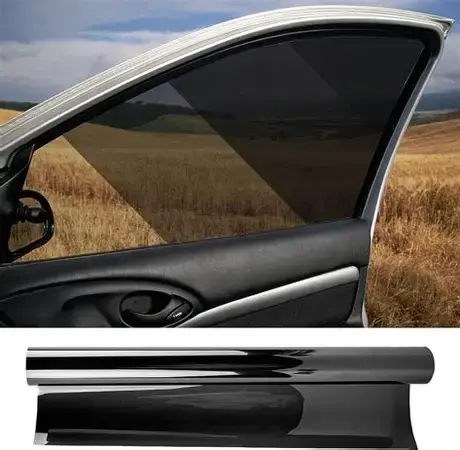
Window tinting, also called window film, involves applying a thin layer of material—usually polyester (PET)—to the interior or exterior of glass surfaces in cars, homes, or offices. The film can darken the glass, block ultraviolet (UV) rays, reduce glare, and control heat entering through the window. It serves both functional and aesthetic purposes, improving comfort, energy efficiency, and privacy

-
Automotive: Car window tinting reduces glare from sunlight and headlights, lowers cabin temperatures, protects interior surfaces from fading, and increases privacy. Tint levels are measured by Visible Light Transmission (VLT), indicating the percentage of light allowed through the glass; lower percentages mean darker tints.
-
Residential and Commercial: Home and office window films can block up to 99% of UV rays while allowing visible light to pass, helping reduce cooling costs and protect furniture, flooring, and artwork. Security films also prevent glass from shattering during accidents or break-ins

-
Window films vary by material and function:
-
Dyed or pigmented: Basic tint for glare reduction and privacy.
-
Metalized: Reflects heat and UV rays, often more durable.
-
Ceramic: Non-metallic, blocks heat and UV without interfering with electronics.
-
Nano or hybrid films: Advanced options combining multiple benefits like heat rejection, UV protection, and enhanced durability
-
Reduces heat and glare inside vehicles or buildings.
-
Protects skin and interior surfaces from UV damage.
-
Enhances privacy and security.
-
Improves energy efficiency by lowering cooling costs.
-
Adds aesthetic appeal to vehicles or properties.
In summary, window tinting is a versatile solution for controlling light, heat, and privacy, applicable to cars, homes, and commercial buildings, with a wide range of materials and performance levels to suit different needs.
